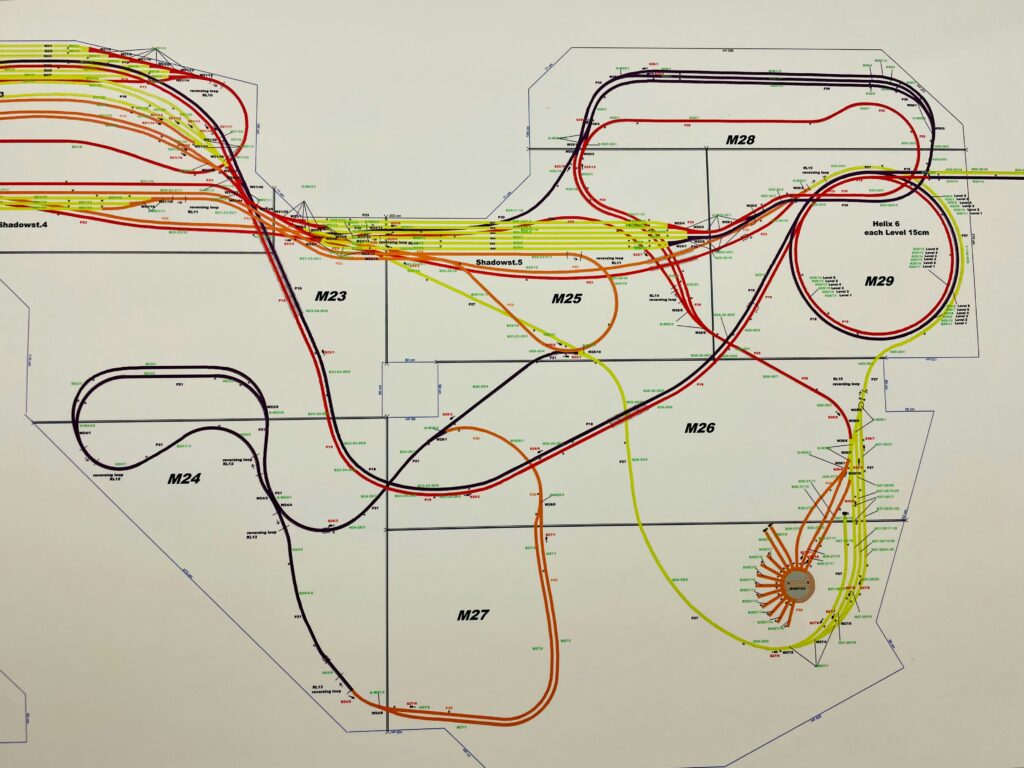
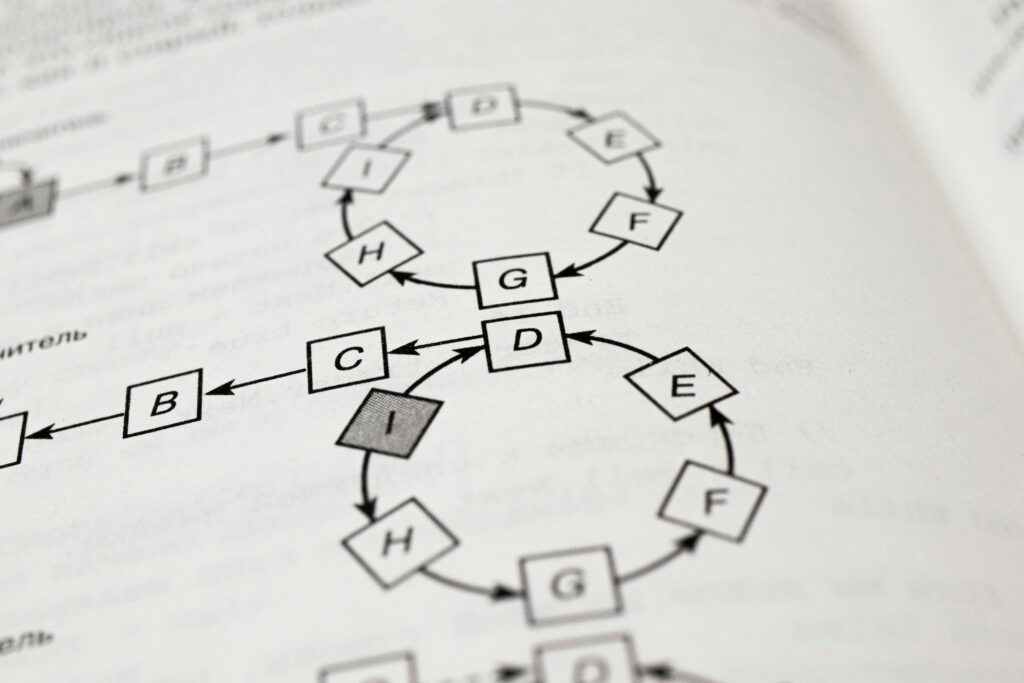
A track model is an abstract representation of the existing tracks and their lengths. Basically it is a model consisting of nodes and edges. The front of each switch can be considered as a node with a unique name and each track can be considered as an edge with a unique name. Most important for creating this model is to precisely record the length and direction of the edges. Additionally there is a topology file that contains information on how the edges are interconnected. Finally, there are shapefiles that record the precise geographic representation of the model and additional information layers about the tracks.
We have built and maintain several track models for our customers. Datasets and their documentation can be downloaded from our website.
Measurement tenders
Obtaining measurement data is the next step and requires a tender procedure in which several companies get to make an offer. To create a level playing field in the tender procedure first a market consultation is performed to understand what is the available price and quality available in the market. For this phase we investigate the market and talk to several companies that are specialized in track measurements. The goal here is to fully understand what market parties can and cannot deliver.
In the tender phase all companies that participate get to make an offer. We have written the documents for many measurement tenders. Finding a fair balance between price and quality. Most important are the program of requirements, the data delivery protocol, the validation protocol and the award model. We are familiar with all the challenges involved, the purpose is to procure a qualitatively good measurement for a reasonable price.
Managing track data
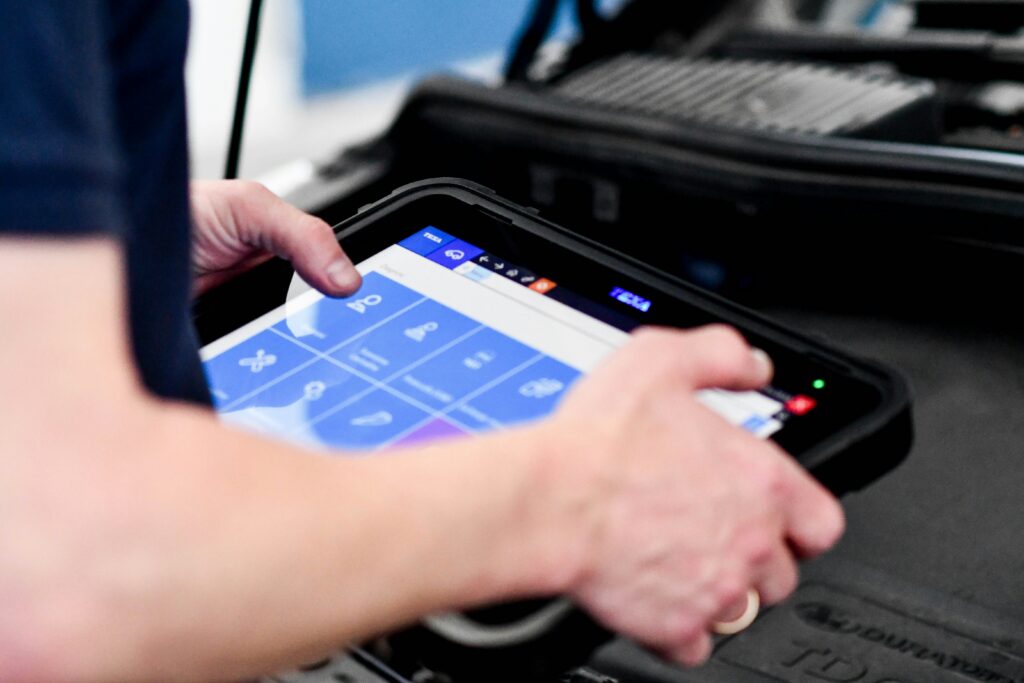
In this phase we help companies successfully deliver their measurement data. We do this by advising, explaining, checking and sometimes processing data ourselves. Before delivering the data, it is important that contractors know exactly what data to deliver and how to measure and process it. That is the purpose of the data delivery protocol, in which precise definitions are provided for all kinds of measurements. After having received the measurement data, the delivery is validated using visualisations and by means of an automatic data checker. After the delivery and data checking, the data is delivered for import in systems like RailDB, RailCloud, IRISSYS or RAMSYS.
Data driven asset management
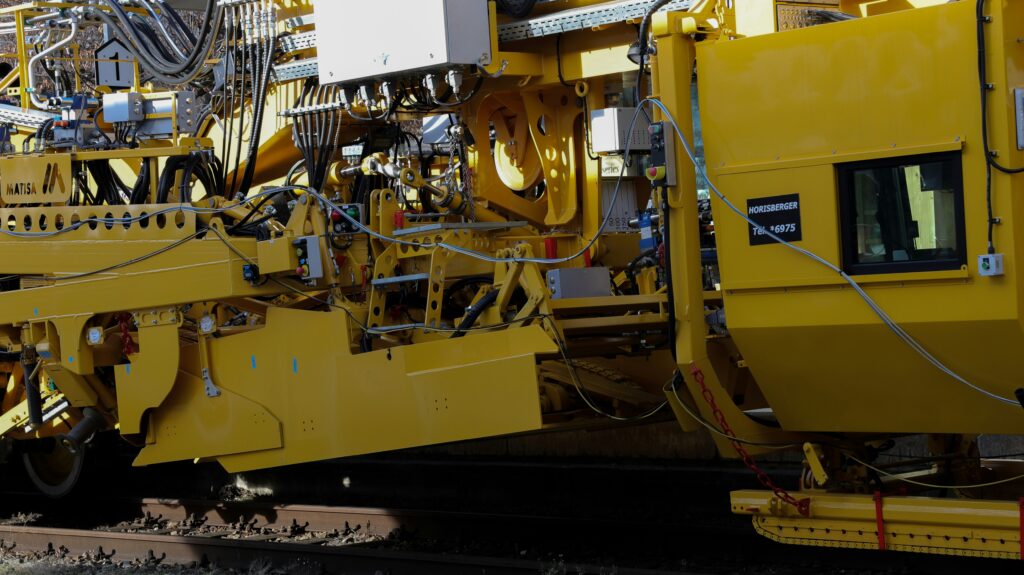
Planning maintenance activities based on all the gathered measurement data starts with the analysis. This is most often done by domain specialists. We help with interpreting the data and provide training on using and configuring systems like RailDB, IRISSYS, RailCloud and RAMSYS. A Youtube series on IRISSYS and QGIS can be found on our Youtube channel.
Algorithms
Once enough data has been gathered, it is possible to further automate the maintenance planning process. We have experience with the development of algorithms for rail data processing, predictive maintenance and decision support:
Processing and routing of raw rail measurement data.
Ultrasonic defect probability models
Relative geometry prediction models
Rail wear trend analysis
Measurement route optimization and scheduling
In our experience, it is important to strike a balance between the knowledge of domain experts and the application of algorithms.
PowerApps for Inspections
After planning the maintenance itself is executed, it is the phase in which we participate the least. However feedback from this process is essential, for which inspection tools are used. We can provide custom built basic inspection apps using the Microsoft PowerApps platform.
RailDB
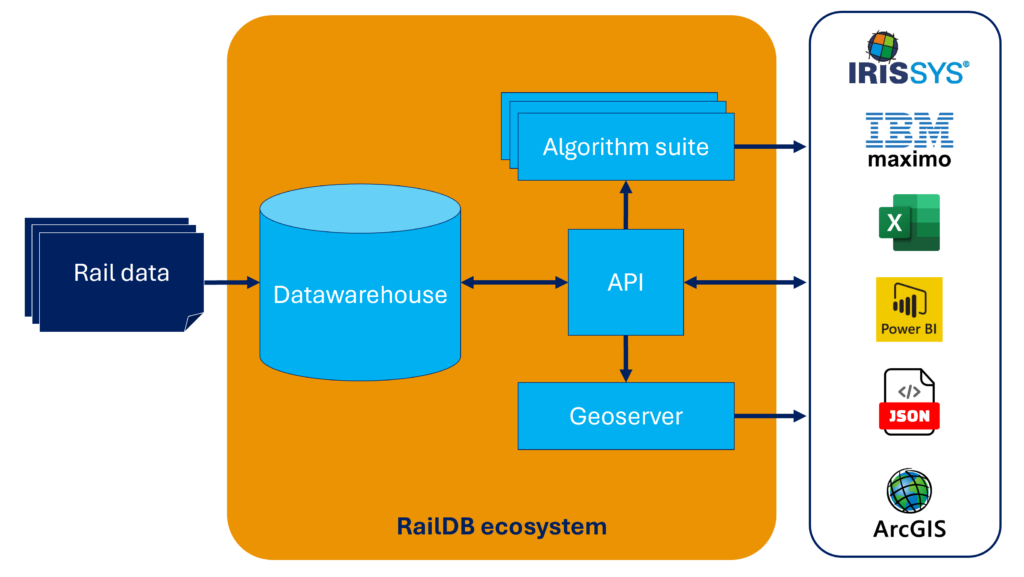
Since 2020 we’ve been developing RailDB. RailDB provides a suite of tools that helps us with data driven asset management. It consists of the following components:
Linear asset management (LAM) Datawarehouse as foundation
API for configuration and direct data-access
Algorithms to turn data into ready-made insights
Mapservices for spatial insight in webGIS or desktop GIS apps
Detailed info on RailDB can be found on a dedicated website.